
Hilaria Baldwin
There is something I get about her and I don't like it.

I used to call myself an immigrant.
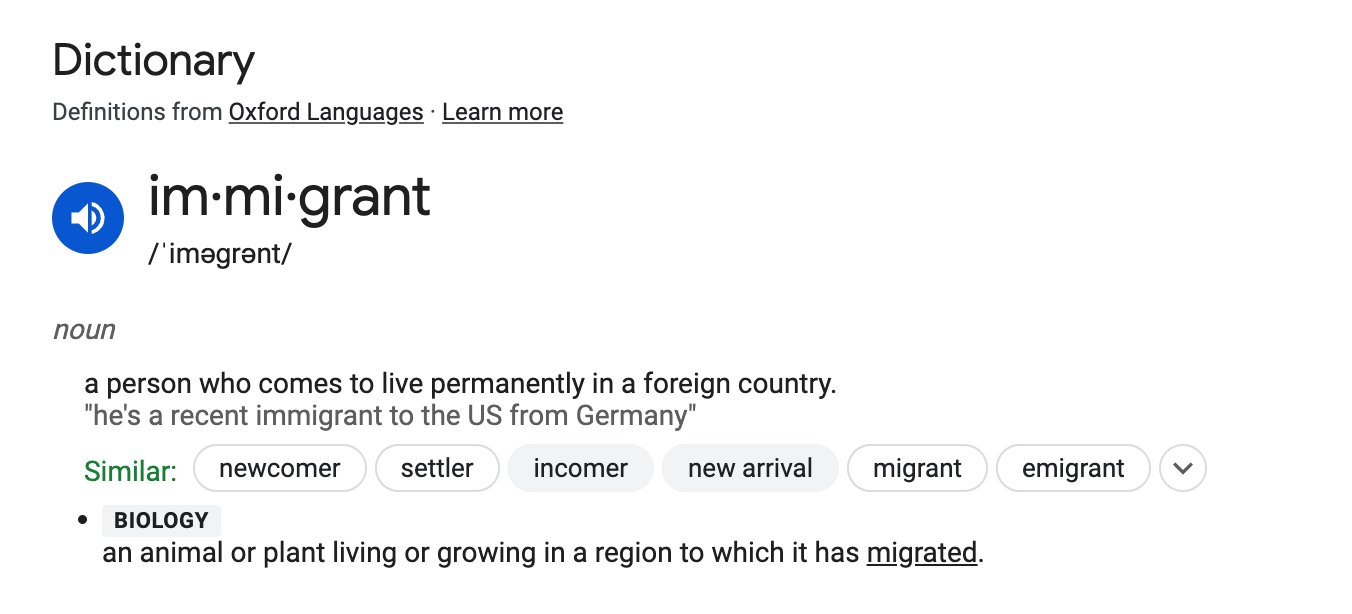
I did this because I was born in Venezuela. My father is Venezuelan. I am Venezuelan. Then, when I was five years old, my family moved from Caracas to New York. So it makes sense on, like, a definitional level that I immigrated. Right?
Wrong, apparently.
Because I was born to an American mother, my birth certificate is that of an American Born Abroad. This means that, legally speaking, my 1993 move to New York was less a migration and more a homecoming.
I learned all of this after I had been calling myself an immigrant for years. I’ve since stopped.
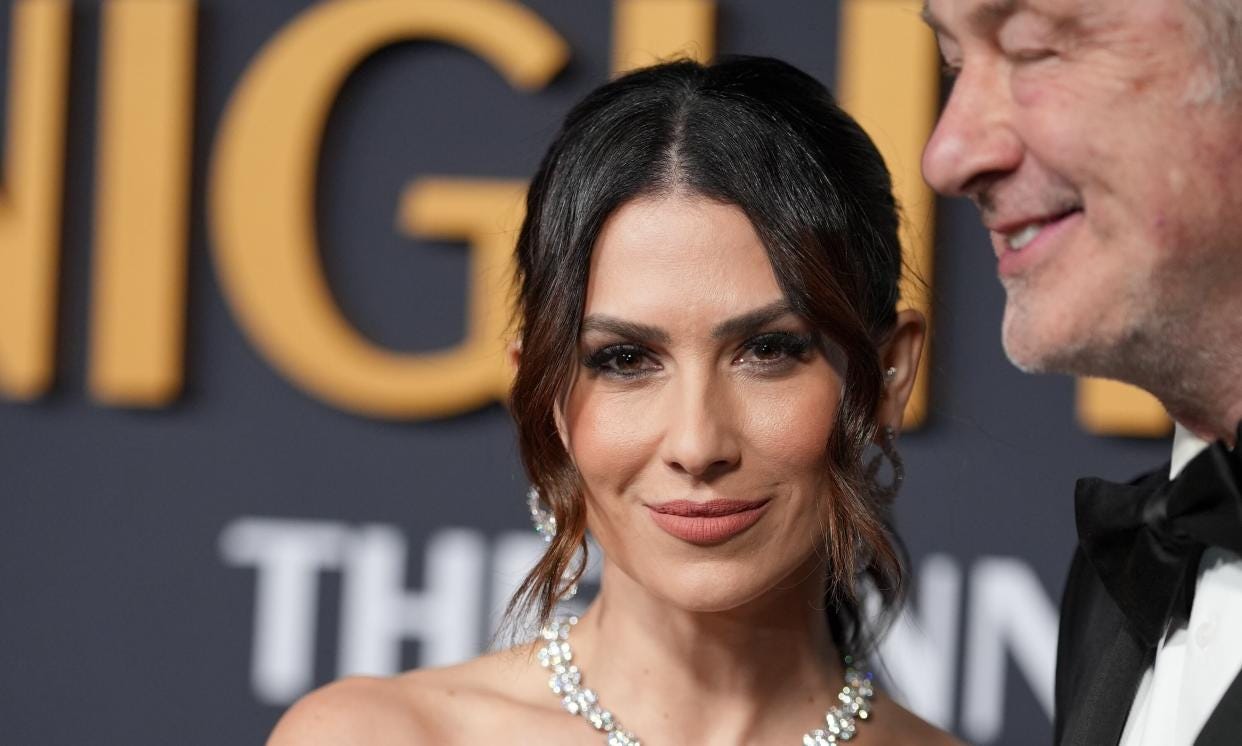
Hilaria Baldwin is back in the news cycle. Her reality show The Baldwins just debuted on TLC. If you have no idea who she is, I can quickly fill you in.
She is a former yoga instructor and current media personality. Her husband is Alec Baldwin. She has approximately 72 children. In 2020 she was called out in a since-deleted viral tweet that read “You have to admire Hilaria Baldwin’s commitment to her decade long grift where she impersonates a Spanish person.”
There was, unfortunately, evidence.
Her agency’s website once listed her birthplace as Mallorca, Spain even though she was born in Boston. She speaks with varying levels of a Spanish accent even though she was raised in New England. Her name is Hilaria even though she was born Hillary.
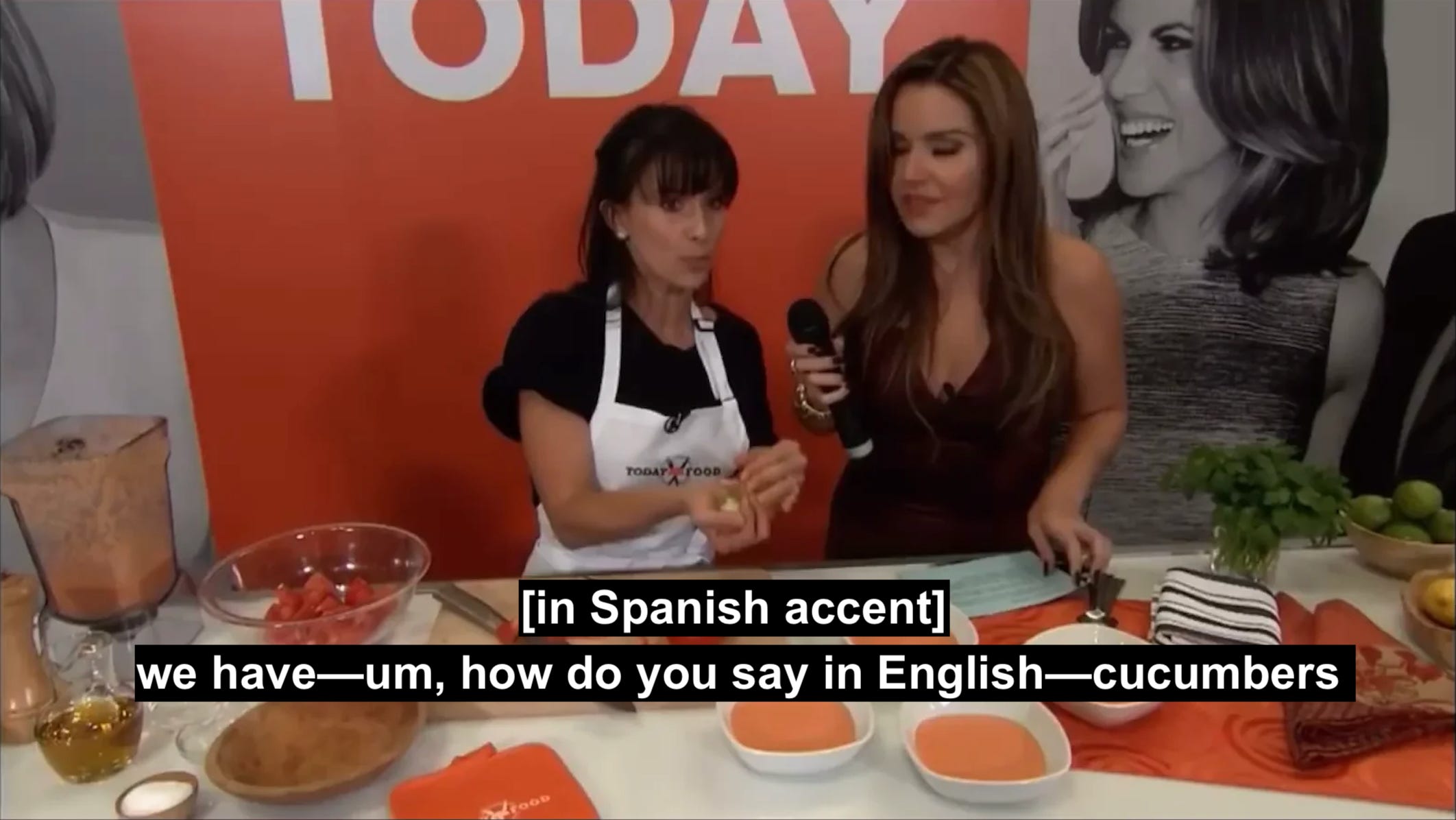
There’s also that particularly damning clip from the Today show in which she forgets the word for cucumber.
To defend herself, Baldwin told the New York Times “I was born in Boston. I spent time in Boston and in Spain. My family now lives in Spain. I moved to New York when I was 19 years old and I have lived here ever since.”
The internet didn’t buy it.
She was roasted left and right. Thinkpieces were written. Tweets were fired off. Her name was spoken in the same breath as Rachel Dolezal.
I watched it all happen. Cringing, sure, but the whole time secretly wondering, is that me?
I didn’t only call myself an immigrant because I thought it was true. (Again: I did.) I also called myself an immigrant because I liked it. I liked that the word tethered me to a cultural identity. That it offered a firm shape to contain the blob of my otherness.
Being biracial has long felt like fodder for an overwrought college entry essay I’m honestly too bored to write again. Not enough of one, not enough of the other… caught between two worlds … what box do I check on the SATs? … blah blah blah.
Still, my race and ethnicity feel like they exist in the eye of the beholder. I have been misread as white more times than I can count—often by people who confess that they thought I was just Very Tan. A barber recently couldn’t believe I was Venezuelan until he shaped my hairline and finally saw it, as if my ethnicity was hiding and all it needed was an electric razor to expose it to the light. When I am correctly read as Not White it’s most often in spaces that thirst for diversity, spaces where my race feels less like a part of me and more like a contribution toward a quota just barely met.
In these moments I often find myself dissociating into a state of nothingness, perpetually floating on that 1993 flight from Caracas to New York, my identity hovering somewhere 42,000 feet over the Gulf.
It’s why I’ve found safe harbor in vague phrases like “person of color” and “brown.” They’re general enough to include me, but vague enough to not require a re-read of the fine print.
Unlike “immigrant.”
I don’t know Hilaria Baldwin. I’m not particularly interested in defending her. And yet—and! yet!—I get it. I get that in our label-obsessed culture, those of us without a clearly defined identity can feel like we’re free-falling in a vacuum, desperately looking for something, anything, to grab onto, hoping that, perhaps, just maybe, if we cling to a term that doesn’t quite fit us, we’ll be able to sneak past the guards of belonging and find brief respite in the safety of a word.
Black queer cis woman here. My thoughts on light skins and Other. More specifically, Whyte Folks and Otherness. Being Other is Cool. Folks wanna be cool. They also want to distance themselves from the oppressor. The End.
You’ve done it again! And— FWIW— I totally think it’s fair to call yourself an immigrant: “a person who comes to live permanently in a foreign country.”